Three quality grades
Normal equipment
Tempered, Runed and Oathbound are quality grades of normal equipment. Runed gear carries one rolled trait; Oathbound carries two. A useful trait can matter as much as the main stat.

 Enter game
Ash & Oath · Player guide
A relic’s color is only the beginning. Compare its level, useful stats, traits and set bonuses, then decide whether to equip it, improve it or turn it into resources for something better.
Begin or continue your journey
Field guide
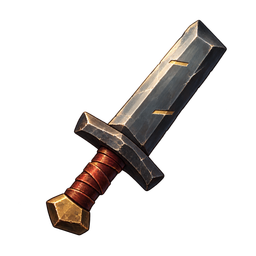 Weapon
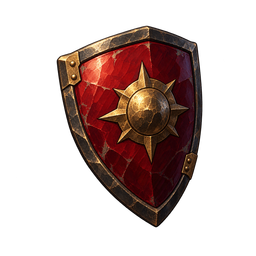 Shield
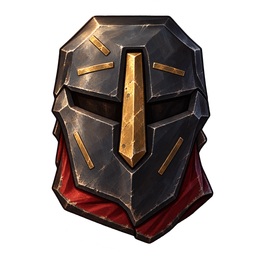 Helm
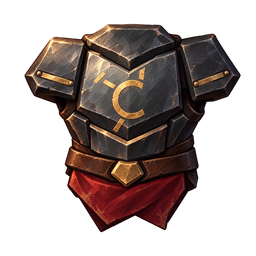 Chest
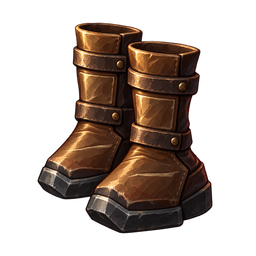 Boots
| Slot | What to compare |
|---|---|
| Weapon | Damage, weapon kind and handedness. Swords use one hand; bows, staves and heavy hammers use two. |
| Shield | A separately equipped relic that adds defense and traits. Requires a one-handed weapon; never granted automatically by your class. |
| Helm | Defense and any secondary bonuses or traits. |
| Chest | Health or defense, secondary bonuses and survival powers. |
| Boots | Movement speed or defense, secondary bonuses and movement traits. |
Equipping a two-handed weapon returns your shield to the traveling cache. The item comparison includes the lost shield stats. Switch back to a one-handed weapon and equip the shield again when you want to use it. Guarding and parrying with your weapon remain available without a shield.
The same slot can contain relics with different primary stats. Read the comparison panel rather than treating every chest piece as a health upgrade or every pair of boots as a speed upgrade. Equipped items stay visible in their slots; the inventory grid shows your spare items.
Collect floor equipment manually with G near the label, or tap a reachable label. In the inventory, select a relic to inspect it; double-click or use the displayed equip control when you are ready. Salvaging consumes the item, so compare and store favorites first.
Field guide
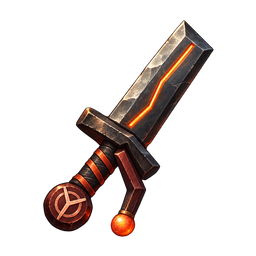 The Last Oath
 Eventide
 Brother’s Whisper
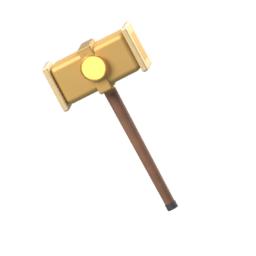 Sunbreaker
 Crown of Cinders
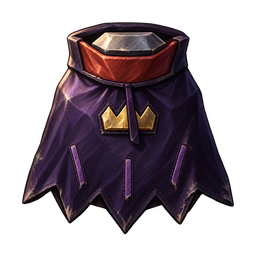 Kingless Mantle
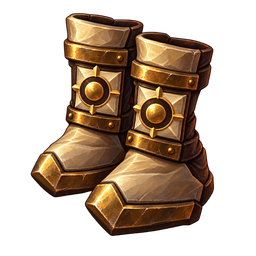 Dawnstriders
Three quality grades
Tempered, Runed and Oathbound are quality grades of normal equipment. Runed gear carries one rolled trait; Oathbound carries two. A useful trait can matter as much as the main stat.
A shared identity
Matching pieces activate bonuses at two, three and four pieces. A complete four-piece set also changes its associated class skill. Compare the complete bonus before breaking up a set.
Distinctive rewards
Unique relics have their own identity and powers. They are not a quality tier you reach by ascending every normal item. Inspect what the relic actually does for your build.
For example, Bulwark on a chest piece lowers guard costs, Clarity on a helm or boots rewards perfect parries, and Chainspark on a weapon makes critical hits arc to another foe. Pick powers that match actions you already use rather than collecting unrelated effects.
Field guide
The Ember Workbench offers another way to fill a weak equipment slot. Restore it at camp to unlock Runed recipes first, followed by Set and Oathbound recipes at later ranks. Crafted gear is made at your current hero level, up to level 100.
Choose a normal recipe when you want a specific supported trait. Choose a set recipe when completing a matching group is more valuable than another isolated stat increase. Chapter-exclusive and unique drops are not ordinary workbench recipes.
Crafting spends resources that could also fund a camp improvement. Inspect the offer and compare it with your equipped item before committing. The dedicated crafting guide lists recipe costs, rank requirements and worked examples.
Read the crafting and upgrade guideField guide
Spend embers to increase the relic’s existing value. Refinement caps at +5, adding 10% of its base value per rank. Later workbench restoration ranks reduce refinement costs.
Bring an older equipped favorite up to your current hero level, capped at 100. This keeps its identity, existing powers and refinement ranks. It is useful when the relic fits your build but its item level has fallen behind.
Ascend a normal Tempered item to Runed, or a Runed item to Oathbound, with the required workbench rank. Existing traits are retained and newly available trait space is filled. Set and Unique items cannot use this quality ladder.
Re-tempering and quality changes are offered for equipped relics at the workbench. Inspect the before-and-after values and listed cost before purchasing. Raising quality does not automatically re-temper an item to your level; they solve different problems.
Relics of a fallen kingdom
Every relic remembers the hand that carried it last.
Field guide
Gold and embers pay for restorations and equipment work. Exploration and dungeon caches provide reclaimed timber and dressed stone; sunseeds also support camp construction and potion brewing. Building projects and recipes can compete for the same supplies, so decide which improvement helps your next outing.
Sell surplus gear to the merchant for gold or salvage it for embers. The Salvager’s Yard adds an ember to each salvage once built, and its later improvement raises that bonus. Store alternative sets at camp instead of destroying something you may want to use again.
The default camp stash holds 60 relics. The Relic Archive improvement increases that to 90 at level 80, after you have built the Memory Grove and collected its materials.
Plan construction and restorationsField guide
No. Item level, stats, traits and active set bonuses all matter. Compare the result for the way you play; a color alone does not describe the whole upgrade.
No. Workbench recipes draw from the normal and set catalog. Unique and chapter-exclusive rewards must come from their own sources.